Understanding children development is crucial for every parent. This article outlines the key aspects of children’s growth, addressing common concerns and providing valuable insights for navigating each stage effectively. Parental awareness is essential in guiding children through the complex processes of growing and learning. This comprehensive guide is designed to enlighten parents on the multifaceted nature of development.
With a deeper understanding, parents can foster a nurturing environment that facilitates holistic growth.
1. How Does Physical Development Affect A Child?
Physical development in children is foundational, influencing other areas such as cognitive and social growth. During infancy and early childhood, physical milestones like crawling and walking mark significant developmental progress. As children grow, their motor skills become refined, aiding in better coordination and muscle development. For example, regular physical activities can help improve balance and strength, crucial for daily tasks. Parents play a pivotal role in encouraging physical development by providing opportunities for active play.
Additionally, gross motor skills, involving larger muscle groups, are typically developed earlier. Activities like jumping, running, and climbing are critical for promoting these skills. Fine motor skills, which develop later, include more precise tasks such as drawing and writing. A balanced focus on motor skill development aids children in achieving both physical and cognitive milestones. Parents should encourage a variety of activities to promote a well-rounded physical development.
The link between physical activity and mental health is also well-documented. Regular exercise has been shown to reduce anxiety and depression levels in children. Physical activity not only boosts physical health but also enhances self-esteem and social skills. In turn, children tend to form a more positive identity and exhibit increased social competence. Understanding the broad impact of physical development can greatly benefit a child’s overall growth.
2. What Are the Stages of Cognitive Development in Children?
Jean Piaget’s theory outlines four major stages of cognitive development. The first, the Sensorimotor Stage, occurs from birth to about two years and involves learning through interactions with the environment. During this period, children develop object permanence and begin to understand the concept of cause and effect. As children progress into the Preoperational Stage, they start to engage in symbolic play and struggle with logical reasoning. Parents can foster cognitive growth by providing stimulating and explorative environments.
The Concrete Operational Stage, from ages seven to eleven, sees children beginning to think logically about concrete events. They develop an understanding of conservation and can perform mental operations. However, abstract thought processes remain limited. As children transition to the Formal Operational Stage, they achieve the ability to think abstractly and problem-solve by hypothesizing. This cognitive leap allows for higher-order thinking skills, critical for academic success.
Parents can support cognitive development by engaging their children in discussions, providing educational toys, and encouraging independent problem solving. Interaction with peers and exploration of new environments further stimulates cognitive progress. These activities promote critical thinking, reasoning, and decision-making skills. Furthermore, allowing children to express curiosity and ask questions is vital in fostering a conducive atmosphere for cognitive growth. Cognitive development sets the foundation for learning, adaptation, and intellectual growth across a lifetime.
3. How Important Is Emotional Development in Early Childhood?
Emotional development is a critical component of a child’s overall growth, influencing how they perceive and interact with others. In early childhood, developing a sense of empathy, understanding one’s emotions, and recognizing the emotions of others are vital skills. Emotional intelligence forms the cornerstone of healthy relationships and effective communication. Providing children with a safe and supportive environment can bolster their emotional maturity. In turn, children learn to manage their emotions, respond to the feelings of others, and form meaningful connections.
The role of parents in this phase is crucial as they model and guide appropriate emotional responses. Through consistent love and support, parents help build their child’s confidence and self-esteem. Emotional and social development are interconnected, as emotions often influence social interactions. Children who are emotionally secure are more likely to be socially adept, adapting well in group settings and interactions with peers. Naming and validating emotions also play a key role in nurturing emotional development.
Encouraging children to articulate their feelings can significantly improve their emotional literacy. By offering empathy and understanding, parents can assist children in developing resilience and coping strategies. Fostering emotional regulation helps children handle stress and face challenges head-on. This form of development underlines the importance of nurturing a child’s emotional health to ensure their well-being and success in various aspects of life. Emotional resilience is a lifelong asset, aiding individuals in leading fulfilling and balanced lives.
4. What Social Skills Should a Child Learn Early On?
Social skills are fundamental in shaping a child’s interactions and relationships with others. From an early age, children should learn the importance of sharing, taking turns, and active listening. These foundational skills are necessary for collaboration and cooperative play. Participation in group activities teaches children how to respect diverse perspectives and enhances their problem-solving abilities. Parents can model social behaviors through their own interactions, serving as effective role models.
Furthermore, building friendships plays a significant role in a child’s social development. Friendships teach empathy, reciprocity, and the ability to handle conflicts constructively. Children who develop strong social skills are better equipped to navigate social settings and build lasting relationships. Skills like empathy and cooperation can significantly impact a child’s ability to succeed both academically and in personal relationships. Encouraging socialization through playdates and group activities can enhance these skills.
As children grow, they begin to understand social norms and cultural expectations. Participating in diverse social environments helps refine these skills and bolsters cultural competence. A robust social skill set lays the groundwork for successful interactions in adulthood, influencing career success and personal satisfaction. Parents who actively engage in fostering their child’s social skills contribute to their development into empathetic, well-adjusted adults. The social development journey is an ongoing process, enriched by continual learning and practice.
5. How Can Parents Support Language Development?
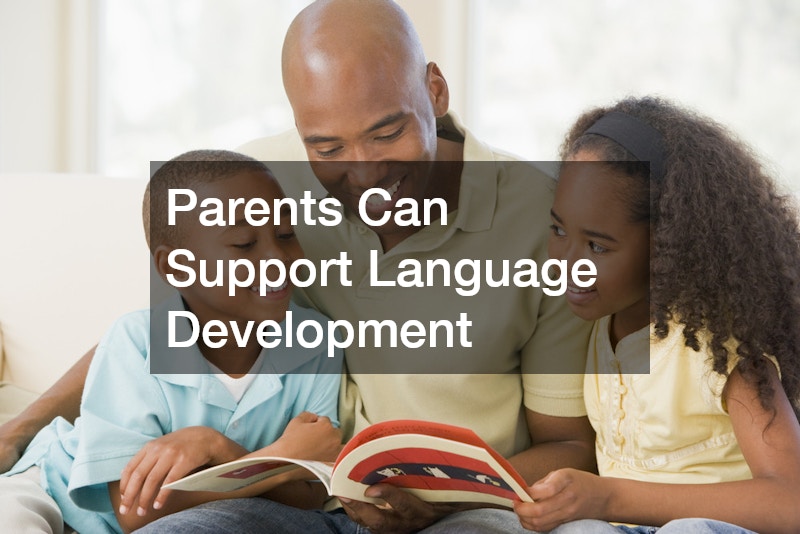
Language development is vital during early childhood as it forms the basis of communication and comprehension. Stimulating language growth involves exposing children to diverse vocabulary and engaging in regular conversations. Reading to children daily can significantly enhance their language acquisition and literacy skills. Encouraging storytelling and imaginative play also fosters creative expression and narrative skills. A child’s linguistic environment plays a significant role, with parental involvement driving much of the early language learning process.
Parental engagement aids in the enhancement of a child’s vocabulary and language skills. Interactive dialogue, where children can ask questions and receive attentive responses, fosters language growth. Singing songs and reciting nursery rhymes introduce rhythm, rhyme, and new vocabulary. Incorporating language games can make learning engaging and enjoyable. These activities inherently teach children about sentence structure, grammar, and conversational norms.
Research suggests that children exposed to rich and varied language experiences tend to exhibit advanced language abilities. Providing a language-rich environment, both at home and in educational settings, promotes critical thinking and reading readiness. Bilingualism and exposure to multiple languages have also been shown to enhance cognitive flexibility and intellectual development. Parents should focus on creating ample opportunities for their children to practice speaking, listening, and comprehending language. Consistency and patience are key in fostering effective and lasting language development skills.
Parental involvement and understanding of child development are vital in raising well-rounded individuals. Through this comprehensive guide, parents can equip themselves with knowledge and techniques to nurture their children’s growth across various developmental domains. As outlined, physical, cognitive, emotional, social, and language development are interconnected aspects that contribute to a child’s holistic development. Recognizing these stages and supporting children through each phase encourages positive, well-adjusted growth. Ultimately, aware and proactive parenting fosters confidence and competence in children, preparing them for the challenges and opportunities of the future.