

A comfortable home starts with more than attractive furniture and well-designed rooms. The condition of a home’s roof, walls, plumbing, landscaping, and surrounding property all contribute to how well a household functions. When these areas receive consistent attention, families can enjoy a safer, more organized, and more welcoming environment.
Building a better home life doesn’t require completing every improvement at once. Some projects involve addressing essential repairs, while others focus on making everyday routines easier or creating outdoor spaces where everyone can relax. By understanding how different parts of a property work together, homeowners can prioritize improvements that support their family’s needs, protect their investment, and make their living spaces more enjoyable.
Discover how to maintain your roof and exterior, improve indoor functionality, care for plumbing and landscaping, manage household pests, and plan practical upgrades that contribute to a better home life.
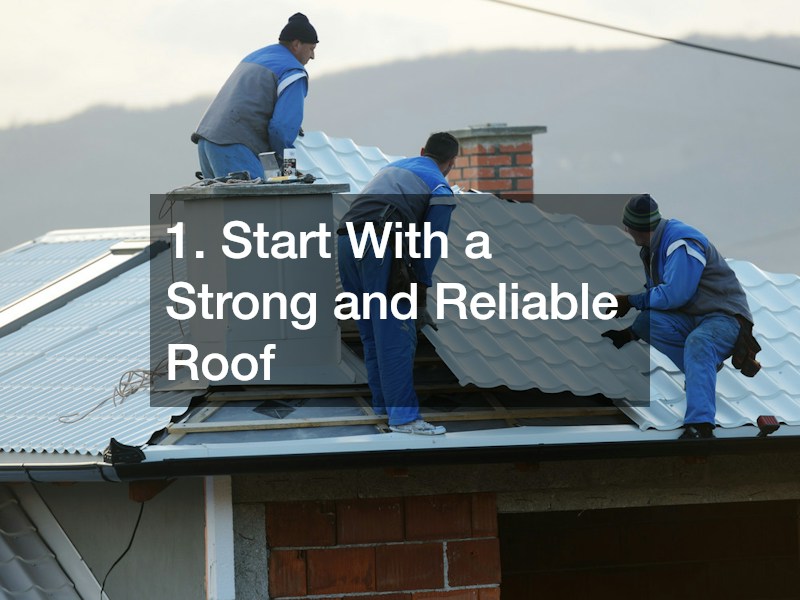
1. Start With a Strong and Reliable Roof
The roof is one of the most important parts of a home because it protects the structure from rain, wind, sunlight, and changing temperatures. Even small roofing problems can eventually affect insulation, ceilings, walls, and other interior components. For this reason, regular inspections and timely repairs should be priorities for homeowners.
Recognize Roofing Problems Early
Missing shingles, damaged flashing, loose roofing materials, and water stains on ceilings can indicate that a roof needs attention. Homeowners should also look for sagging areas, deteriorating seals around roof penetrations, and debris collecting in places where water should drain freely.
After a severe storm, inspect the property from the ground and check the attic or upper floors for signs of moisture. Avoid climbing onto the roof without proper training and safety equipment. A qualified professional can inspect areas that are difficult or dangerous to reach.
Working with a reputable residential roofing company can help homeowners identify the source of a problem and understand their repair or replacement options. Ask about licensing, insurance, warranties, materials, and the expected scope of work before approving a project.
Compare Roofing Materials and Services
When a roof reaches the end of its useful life, homeowners may need to consider different materials. Asphalt shingles are a common option, while metal roofing can appeal to those seeking a different appearance and durability characteristics.
A metal roofer can explain the available panel styles, finishes, installation requirements, and maintenance considerations. Homeowners should compare the total project cost, the roof’s suitability for the local climate, and the manufacturer’s warranty rather than choosing a material based on appearance alone.
Keeping gutters clear and addressing minor damage promptly can also help protect the roof. These basic tasks support effective drainage and reduce the likelihood of moisture problems around the home’s exterior.
2. Maintain the Exterior Walls and Foundation
A home’s walls and foundation help protect the interior from weather and environmental conditions. Cracks, deteriorating materials, and drainage problems should be addressed before they contribute to more extensive damage.
Keep Siding in Good Condition
Siding protects exterior walls while contributing to the property’s overall appearance. Depending on the material, routine care may involve washing away dirt, inspecting joints, repainting exposed surfaces, or replacing damaged sections.
Look for warped panels, loose boards, peeling paint, and gaps around windows or doors. These issues can sometimes allow moisture or pests to enter the structure. Homeowners should also check the sealant around exterior openings and replace deteriorated material when necessary.
When the existing exterior has widespread damage or needs a visual update, siding installation may be worth considering. Compare materials based on maintenance requirements, weather resistance, insulation considerations, appearance, and installation costs.
Before starting an exterior renovation, confirm whether permits or neighborhood approvals are required. Coordinating siding work with other planned exterior projects may also reduce disruption and help homeowners organize their budgets more efficiently.
Protect the Foundation With Proper Drainage
Water management around the foundation is just as important as maintaining the walls and roof. Gutters and downspouts should direct rainwater away from the house, while the surrounding soil should generally slope away from the foundation.
Persistent puddles, damp basement walls, musty odors, and new cracks deserve attention. Although some cracks may be cosmetic, others can indicate structural movement or water intrusion that requires professional evaluation.
Avoid placing heavy structures or planting large trees too close to vulnerable areas without considering their potential impact. Maintaining clear drainage paths can help prevent avoidable moisture problems and preserve the condition of the property.

3. Keep Plumbing and Household Systems Working Properly
A well-maintained home depends on plumbing systems that deliver clean water, remove wastewater, and support everyday activities. Kitchens, bathrooms, laundry rooms, and water-heating equipment all contribute to the household’s daily comfort.
Address Plumbing Issues Promptly
Slow drains, leaking faucets, unusual pipe noises, reduced water pressure, and unexplained increases in water bills can signal plumbing problems. While a minor issue may appear manageable, repeated leaks or persistent drainage problems can indicate a deeper concern.
A qualified local plumber can inspect the system, identify the cause of the problem, and recommend an appropriate repair. When hiring a professional, ask about licensing requirements, insurance, pricing, warranties, and whether the estimate includes labor and materials.
Homeowners should also locate the main water shutoff valve and learn how to use it. If a pipe bursts or a major leak develops, shutting off the water can help limit property damage while professional assistance is arranged.
Routine maintenance includes checking visible pipes, monitoring water pressure, and paying attention to the condition of fixtures. Addressing minor leaks quickly can conserve water and prevent damage to cabinets, flooring, and walls.
Maintain Water-Heating Equipment
Hot water supports bathing, cleaning, cooking, and laundry. Changes in water temperature, unusual sounds, visible corrosion, or moisture near a water heater may indicate that the unit needs professional attention.
Follow the manufacturer’s maintenance instructions and arrange inspections when recommended. Depending on the system, maintenance may include checking connections, inspecting safety components, or addressing sediment buildup.
Families should never ignore signs of a gas leak, electrical fault, or serious equipment malfunction. Contact an appropriate professional or emergency service when a potentially dangerous condition occurs.
4. Make Indoor Spaces More Functional
A better home life also depends on how well indoor spaces support the family’s routines. Even a spacious property can feel inconvenient when storage is limited, traffic patterns are awkward, or frequently used items are difficult to reach.
Improve the Kitchen for Everyday Living
The kitchen is often one of the busiest rooms in a home. Families use it for preparing meals, storing groceries, packing lunches, helping children with homework, and gathering throughout the day.
Thoughtful kitchen remodeling can make these activities easier by improving storage, lighting, counter space, and appliance placement. For example, adding drawer organizers can make cooking utensils easier to find, while better task lighting can improve visibility around preparation areas.
Homeowners should consider how they actually use the room before selecting finishes or changing the layout. A large island may look appealing, but it needs to leave enough room for people to move comfortably. Additional cabinets may be useful, but accessible storage can be more valuable than simply increasing the number of cupboards.
Set a realistic budget that includes materials, labor, permits, and a reserve for unexpected expenses. Kitchen renovations can reveal hidden plumbing or electrical issues, so allowing room for unforeseen work can help prevent financial stress.
Create Storage That Reduces Clutter
Organized storage can make everyday responsibilities feel less overwhelming. Start by identifying the items that frequently create clutter, such as shoes near the entrance, cleaning supplies, children’s belongings, and kitchen equipment.
Use baskets, labeled containers, hooks, and shelves to create designated places for frequently used items. Keep everyday essentials within easy reach and store seasonal belongings in less accessible areas.
Families should also review their storage systems periodically. If a cabinet or closet consistently becomes cluttered, the solution may involve removing unused items or changing the way the space is arranged rather than purchasing more organizers.
A functional home doesn’t have to be perfectly styled. It simply needs systems that make it easier for everyone to find what they need and put things away.

5. Build a Healthier and More Enjoyable Yard
Outdoor areas are an extension of the home. A well-maintained yard can provide space for children to play, adults to relax, and family members to enjoy time outside together.
However, landscaping should reflect the household’s available time, budget, and intended use of the property. An attractive yard that requires more maintenance than a family can manage may become an unnecessary source of stress.
Keep Grass and Garden Areas Under Control
Regular lawn care can help maintain a tidy appearance and make outdoor areas more usable. Depending on the property’s size and conditions, routine tasks may include mowing, edging, removing weeds, watering appropriately, and checking for bare patches.
A lawn mowing service can be useful for families with demanding schedules, large yards, or limited equipment. When comparing providers, ask about service frequency, seasonal scheduling, trimming, cleanup, and any additional fees.
Homeowners who prefer to handle lawn care themselves can make the task more manageable by establishing a consistent schedule. Keeping equipment maintained and organizing outdoor supplies in one location can also reduce the time spent preparing for yard work.
Use Mulch to Support Garden Beds
Mulch can improve the appearance of landscaped areas while helping the soil retain moisture and moderating soil temperature. Depending on the material, it may also reduce weed growth and contribute organic matter as it breaks down.
Professional mulch services may be useful when homeowners need to cover large garden beds or refresh multiple areas at once. Before applying mulch, remove existing weeds and check that the selected material is appropriate for the plants and conditions.
Avoid piling mulch directly against tree trunks, plant stems, or the home’s siding. Excessive moisture near these surfaces can contribute to problems, so maintain appropriate spacing and follow recommendations for the specific landscape.
Thoughtful landscaping doesn’t require elaborate garden designs. Clearly defined planting beds, manageable plant selections, and well-maintained pathways can create a welcoming outdoor environment without adding unnecessary upkeep.
6. Manage Trees and Outdoor Safety
Trees can provide shade, visual interest, and privacy, but they also require attention as they grow. Damaged branches, unstable trees, and overgrown vegetation can create safety concerns around homes, driveways, walkways, and utility lines.
Recognize When Tree Work Is Necessary
Homeowners should watch for large dead branches, visible trunk damage, leaning trees, and signs of decay. Trees growing too close to buildings may also need professional assessment, particularly when branches extend over the roof.
Tree removal may be necessary when a tree presents a significant hazard, is severely damaged, or cannot be maintained safely in its current location. However, removal is not always the best option. A qualified arborist can evaluate whether pruning, treatment, or another management approach would be appropriate.
Tree work can be dangerous, especially near structures and overhead power lines. Avoid attempting to remove large trees or heavy branches without the necessary training and equipment. Confirm that the service provider has appropriate insurance and understands local requirements before work begins.
Keep Paths and Gathering Areas Safe
Outdoor safety also involves maintaining clear walkways, securing loose paving stones, repairing damaged steps, and providing adequate lighting near entrances. These improvements can reduce tripping hazards and make it easier for family members to use the property after dark.
If children play in the yard, check play equipment regularly and keep tools, chemicals, and powered equipment stored securely. Outdoor furniture should be stable, and areas around pools or other water features should receive particular attention.
A safer yard allows families to enjoy their outdoor spaces with greater confidence while reducing avoidable risks.

7. Prevent Pests and Protect Outdoor Living Areas
Pests can affect comfort, damage property, and sometimes create health concerns. Preventive measures are often easier to manage than addressing a widespread infestation after it develops.
Reduce Conditions That Attract Pests
Start by keeping food in sealed containers, cleaning up spills, emptying household waste regularly, and addressing moisture problems. Repair damaged screens, seal appropriate gaps around pipes and other openings, and avoid allowing clutter to accumulate near the home’s exterior.
Outside, remove standing water where mosquitoes may breed, keep outdoor bins closed, and avoid leaving pet food outdoors for extended periods. Store firewood appropriately and maintain a reasonable gap between vegetation and the house where practical.
Families should also be aware of ticks when spending time in grassy, wooded, or brushy areas. Tick prevention can include wearing suitable clothing, using an appropriate repellent according to its label, checking people and pets after outdoor activities, and keeping frequently used paths and play areas maintained.
Know When to Call a Professional
Occasional insects may not require professional treatment, but recurring pest activity, signs of rodents, or evidence of structural damage may warrant additional help.
A reputable pest control company can identify the pest, assess the extent of the problem, and explain treatment and prevention options. Ask which products and methods will be used, what precautions are necessary, and whether children and pets need to stay away from treated areas temporarily.
Avoid choosing a treatment solely because it promises quick results. The best approach depends on the pest, the property’s conditions, and the underlying reason the problem developed.
Preventive maintenance should also include monitoring for signs of termites, wood-damaging insects, and other pests that can affect building materials. Early identification can help homeowners address problems before they become more extensive.
8. Plan Home Improvements Around Long-Term Goals
Building a better home life is easier when projects are prioritized rather than handled randomly. Homeowners should consider safety, existing damage, maintenance needs, available funds, and the improvements that would make the greatest difference to everyday life.
Separate Essential Repairs From Cosmetic Upgrades
Start with problems that could threaten safety or cause further damage, including active roof leaks, serious plumbing issues, unsafe electrical conditions, and significant drainage concerns.
Next, consider projects that improve efficiency, convenience, or durability. Updating worn siding, reorganizing storage, improving lighting, and refreshing frequently used spaces can all support a more functional home.
Decorative changes can follow when the budget permits. New paint, garden features, or updated finishes may make a property feel more inviting, but they should not take priority over essential repairs.
Compare Costs and Maintain a Reserve
Before hiring a contractor, obtain detailed written estimates and compare the scope of work, materials, warranties, payment terms, and expected completion dates. Confirm licensing and insurance requirements, and check whether permits are necessary.
Avoid choosing a provider based entirely on the lowest quote. Clear communication, relevant experience, and a realistic project plan can be just as important as the initial price.
Set aside money for unexpected repairs, especially when purchasing an older property or undertaking a major renovation. A financial reserve gives homeowners more flexibility when projects reveal hidden damage or essential systems need attention.
Finally, keep a record of completed improvements, maintenance dates, warranties, and contractor details. These records make future planning easier and help families understand how their home has changed over time.
Building a better home life starts with recognizing that every part of a property contributes to the household’s comfort, safety, and functionality. A reliable roof, well-maintained exterior, dependable plumbing, organized indoor spaces, and manageable landscaping all play important roles in creating a home that works for the people who live there.
Families don’t need to complete every improvement at once. By identifying priorities, establishing maintenance routines, and seeking professional assistance when needed, homeowners can make steady progress without overwhelming their schedules or budgets. Small, consistent efforts can protect the property, simplify everyday responsibilities, and create a more welcoming place for family life for years to come.