
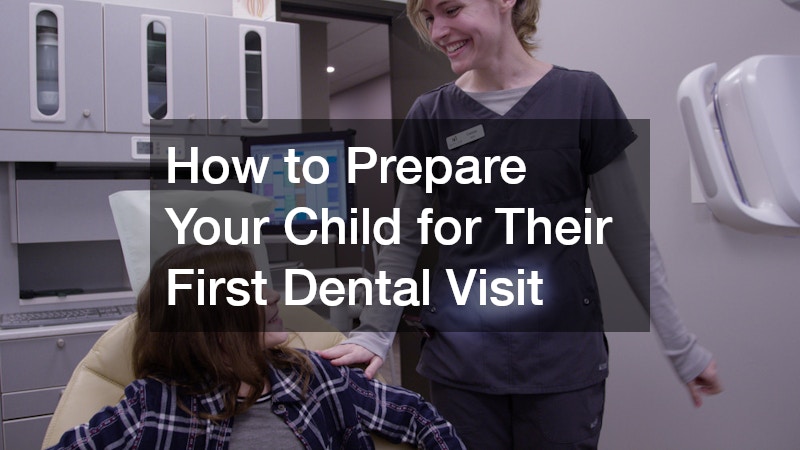
Preparing your child for their first dental visit is an important milestone that can shape how they feel about oral care for years to come. A positive early experience helps reduce fear, builds trust, and encourages healthy habits that last into adulthood. Many parents feel unsure about when to schedule the first appointment or how to help their child feel comfortable. This guide answers common questions and offers practical strategies to help your child approach their first dental visit with confidence and calm.
When Should My Child Have Their First Dental Visit?
Understanding the Ideal Age for the First Visit
Most dental professionals recommend scheduling a child’s first dental visit by their first birthday or within six months of the first tooth erupting. While this may seem early, these visits are essential for monitoring development and educating parents on proper oral care.
Early exposure also helps children become familiar with dental environments before problems arise.
Signs That Indicate It Is Time for a Dental Visit
In addition to age guidelines, certain signs may indicate it is time to schedule a dental appointment. These include visible tooth discoloration, delayed tooth eruption, thumb sucking beyond toddler years, or complaints of tooth discomfort. If your child experiences frequent mouth injuries or difficulty chewing, an early dental visit can help identify underlying concerns.
The Importance of Early Dental Visits
Early dental visits allow issues such as cavities, alignment concerns, or enamel defects to be identified before they worsen. They also help children build familiarity with dentists and dental settings, which reduces anxiety later in life. Establishing care early promotes preventive treatment and sets expectations for routine checkups.
How Can I Prepare My Child for Their First Dental Visit?
Talking to Your Child About the Dentist
Open and positive communication is key when preparing your child. Use simple language to explain what will happen during the visit and avoid words that may sound scary. Focus on reassuring ideas like keeping teeth strong and healthy. Reading children’s books or watching videos about dental visits can help normalize the experience and spark curiosity.
Practical Steps to Ease Anxiety
Role playing at home is a helpful way to reduce fear. Pretend to be the dentist and let your child practice opening their mouth or sitting still. Bringing a favorite toy or blanket to the appointment can provide comfort. Scheduling the visit during a time when your child is usually well rested and fed also helps minimize stress.
Choosing the Right Pediatric Dentist
Selecting the right dental professional makes a significant difference. Pediatric dentists receive specialized training in child development and behavior management. Their offices are often designed to be welcoming and child friendly, which can make the experience more enjoyable. Look for a dentist who encourages parental involvement and takes time to explain procedures in a calm, gentle manner.
What to Expect During Your Child’s First Dental Visit
An Overview of the Initial Check-Up
The first dental visit is typically short and focused on comfort rather than extensive treatment. The dentist will examine your child’s teeth, gums, and jaw development. They may clean the teeth lightly and apply fluoride if appropriate. Parents often receive guidance on brushing techniques, diet, and habits such as pacifier use.
Creating Positive First Impressions
Dental teams play an important role in shaping a child’s first impression. Friendly staff, a relaxed pace, and positive reinforcement help children feel safe. Many dentists use encouragement and praise to build confidence, making the visit feel like a success rather than a challenge.
Follow-Up Care and Establishing Dental Routines
After the visit, the dentist may recommend a follow-up schedule and offer advice for at home care. Establishing a daily routine that includes brushing twice a day and limiting sugary snacks supports long term oral health. Regular dental visits reinforce these habits and help children understand that dental care is a normal part of life.
Preparing your child for their first dental visit is an investment in their overall health and confidence. By starting early, communicating positively, and choosing supportive dental professionals, parents can help children develop a healthy relationship with oral care. With preparation and encouragement, your child’s first experience with dentists can be a comfortable and empowering step toward a lifetime of healthy smiles.