
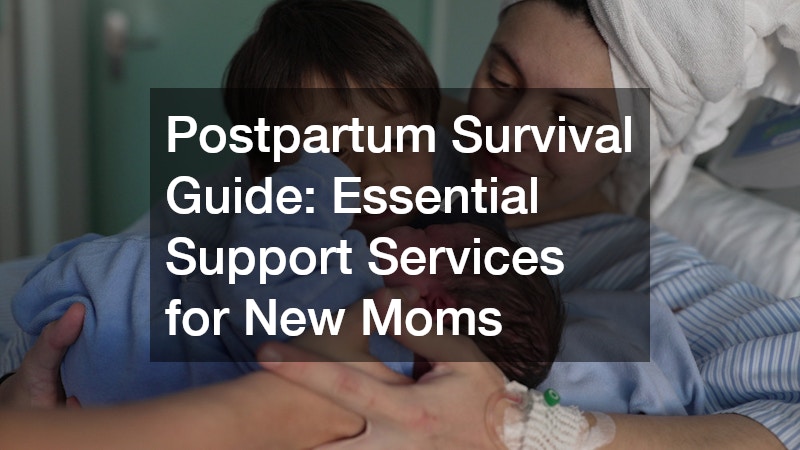
The arrival of a newborn is a profound, life-altering event that brings immense joy, but it also introduces an unprecedented level of physical, emotional, and logistical exhaustion. In the whirlwind of preparing nurseries, choosing car seats, and learning how to feed an infant, the person who undergoes the most significant transformation is often the one forgotten: the mother. The modern narrative frequently pressures women to bounce back instantly, balancing the demands of a newborn and a household with seamless grace. This expectation is not only unrealistic, but it is also medically counterproductive.
1. Re-establishing Comprehensive Healthcare After Giving Birth

Mothers must shift their mindset from a single clearance appointment to a continuous model of comprehensive healthcare. Navigating the months following delivery requires an accessible medical home base that looks at the woman as a whole person, tracking everything from hormonal baseline restoration to nutritional deficiencies.
-
Schedule a preliminary checkup around the three-week mark rather than waiting the full six weeks if you experienced tearing, high blood pressure, or significant blood loss.
-
Advocate for comprehensive blood panels if you experience profound, unshakeable fatigue that goes beyond standard sleep deprivation, as this can indicate postpartum thyroiditis or iron deficiency.
-
Establish a relationship with well-equipped family medical clinics where both your general wellness and your infant’s developmental milestones can be monitored under one cohesive clinical roof.
-
Keep a written or digital symptom log tracking physical discomfort, sleep quality, and mood changes so you can provide precise data to your care team during your consultations.
2. Restoring Structural and Skeletal Balance
During pregnancy, the body releases a hormone called relaxin, which softens ligaments and expands the pelvis to allow for the passage of the baby. While relaxin is essential for birth, it remains in the maternal bloodstream for months postpartum, causing widespread joint laxity and instability. Combined with the rapid shift in a woman’s center of gravity after delivery, this instability frequently leads to structural misalignments. The daily physical demands of early motherhood—such as lifting heavy infant car seats, hunching over while breastfeeding, and carrying a growing baby on one hip—compound these structural strains, leading to chronic back, neck, and hip pain.
Addressing these skeletal imbalances early prevents long-term compensatory patterns that can cause permanent joint wear and tear. Seeking targeted structural care helps realign the spine, stabilize the pelvis, and relieve pressure on compromised nerve pathways.
-
Incorporate gentle, daily pectoral stretches to open up the chest cavity and reverse the forward-sloping posture caused by hours of holding and feeding an infant.
-
Utilize supportive pillows during feeding sessions to bring the baby up to breast or bottle level, rather than leaning your torso down toward the child.
-
Consult an experienced chiropractor who specializes in the Webster technique or general postpartum care to gently realign pelvis and spinal segments softened by relaxin.
-
Practice mindful lifting by bending at your knees and engaging your glutes whenever you pick up your infant or heavy nursery gear from the floor.
3. Rebuilding Core Muscular Integrity and Function
Reclaiming core strength requires a specialized, progressive approach that focuses on deep muscle activation rather than superficial toning. Safe rehabilitation starts with restoring the coordinating relationship between the diaphragm, the abdominal wall, and the spine.
-
Prioritize diaphragmatic breathing exercises in the initial weeks after birth to gently reactivate the deep transverse abdominal muscles without straining healing tissues.
-
Avoid any movement that causes your midline abdomen to dome, cone, or bulge outward when you sit up or lift an object.
-
Engage in structured physical therapy programs tailored specifically to postpartum recovery to learn how to properly manage internal abdominal pressure.
-
Incorporate low-impact pelvic tilts and glute bridges into your morning routine once you receive initial clearance from your primary care provider.
4. Maximizing Recovery Through Specialized Assessment
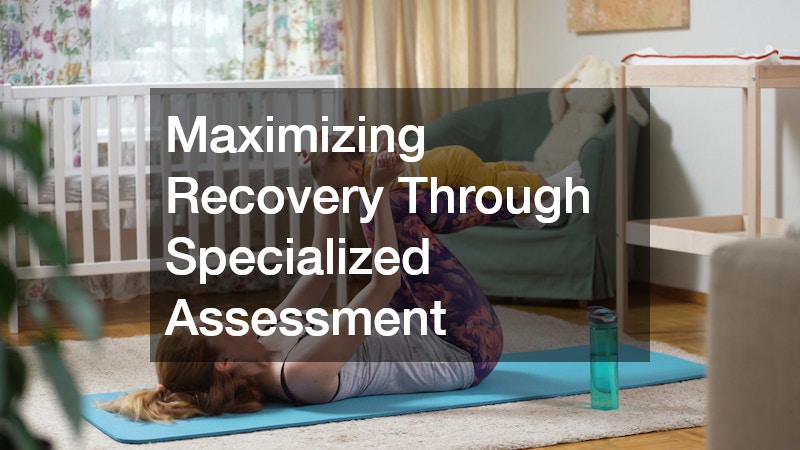
Every labor and delivery journey is unique, which means a generic exercise protocol or standard online workout plan is rarely sufficient for a mother’s specific physical recovery needs. Internal scarring from cesarean sections, pelvic asymmetrical alignments from prolonged pushing, and subtle nerve damage require individualized diagnostic attention. Working with a clinical specialist who can perform manual assessments ensures that hidden muscle weaknesses or structural compensations are identified before they manifest as chronic, painful conditions later in life.
A personalized assessment provides a roadmap that targets your exact physical deficits, helping you regain strength efficiently without wasting energy on counterproductive exercises.
-
Seek out a comprehensive musculoskeletal evaluation to measure the exact width and depth of any remaining abdominal separation.
-
Learn specific scar tissue massage techniques if you delivered via cesarean section to prevent the surgical scar from binding to the underlying bladder or uterine tissues.
-
Partner with a certified physical therapist who can design a custom movement protocol that addresses your specific strength imbalances and joint laxity.
-
Request functional movement testing that mimics your daily maternal activities, ensuring your body can safely handle the repetitive motions of parenting.
5. Rehabilitating the Foundations of Pelvic Health
The pelvic floor is a complex hammock of muscles, ligaments, and connective tissues that support the bladder, uterus, and bowels. During pregnancy, this structure carries immense weight for nine months, and during a vaginal birth, it stretches up to three times its normal length. This profound strain can result in pelvic floor dysfunction, which manifests as urinary or fecal incontinence, pelvic organ prolapse, or painful intimacy. Many women are told that leaking when laughing, coughing, or jumping is a normal part of motherhood, but while it is common, it is entirely treatable and should not be accepted as permanent.
True pelvic floor recovery involves much more than simply performing generic contractions. It requires learning how to completely relax these muscles, coordinate them with your breath, and build endurance for daily activities.
-
Stop performing repetitive, forceful squeezing exercises unless a clinician has confirmed that your pelvic floor muscles are weak rather than overly tight and hypertonic.
-
Exhale completely on the exertion phase of any lift, such as picking up your child or standing up from a deep chair, to reduce downward pressure on your pelvic organs.
-
Invest in specialized pelvic floor therapy sessions to restore full muscle coordination, improve tissue elasticity, and eliminate issues like stress incontinence.
-
Use a footstool while using the restroom to position your knees above your hips, which naturally relaxes the pelvic floor and prevents straining during bowel movements.
6. Adapting Daily Ergonomics for Pain-Free Movement
New motherhood is an athletic event that requires repetitive lifting, carrying, bending, and twisting, often while operating on minimal sleep. The sheer volume of physical labor involved in caring for an infant can cause repetitive strain injuries, such as wrist tendinitis, shoulder impingement, and severe lower back strains.
Adapting your daily habits involves analyzing your home environment and modifying how you interact with baby gear, furniture, and household items.
-
Adjust the height of your changing table or kitchen counters so that you can care for your baby without rounding your shoulders or bending aggressively at the waist.
-
Use the log-roll technique to get out of bed by rolling onto your side first and using your arms to push yourself up, preserving your healing abdominal wall.
-
Seek guidance from an expert trained in occupational therapy to evaluate your breastfeeding setups, car seat carrying mechanics, and nursery ergonomics.
-
Utilize a supportive, structured baby carrier that distributes the infant’s weight evenly across both hips and shoulders rather than straining your upper back.
7. Outsourcing Household Chores to Prevent Physical Strain

In the first two months following childbirth, a mother’s primary physical job should be resting, nourishing her body, and bonding with her newborn. However, the accumulation of household chores often lures women into premature physical activity. Actions like pushing a heavy vacuum cleaner, carrying large baskets of wet laundry up stairs, and standing at a sink for hours to wash dishes place substantial downward force on a healing pelvic floor and strain healing abdominal walls. Delegating or outsourcing these intensive domestic chores is a medical necessity that directly impacts how quickly and completely a woman’s tissues heal.
Minimizing domestic labor requires setting up systems before birth that handle repetitive, physically demanding household tasks automatically.
-
Use a professional drop-off or pickup service for garments and bedding to eliminate the need to lift heavy laundry loads during your initial recovery weeks.
-
Utilize an eco-friendly local service for your delicate garments and formal wear by arranging regular drop-offs at specialized dry cleaning facilities.
-
Prepare a rotating meal train with friends or utilize a meal delivery service to completely eliminate the need to stand for long periods cooking and washing dishes.
-
Set up low-level storage baskets around the house so you do not have to constantly bend down to the floor to pick up scattered toys or baby supplies.
8. Creating Space for Rest with Organized Sibling Care
For mothers welcoming a second, third, or subsequent child, the concept of resting during the postpartum period can feel completely impossible. Toddlers and young children have high emotional and physical energy needs that do not stop simply because a new baby has arrived. A mother recovering from birth cannot safely chase a fast-moving toddler, lift a heavy preschooler into a car seat, or spend hours playing on the floor without jeopardizing her physical healing. Securing dedicated, structured care for older siblings ensures they stay engaged and happy while giving the mother the quiet environment she needs to heal and care for her newborn.
Providing structured opportunities for older kids ensures they receive focused attention, reducing behavioral regressions driven by the major household transition.
-
Coordinate playdates with trusted neighbors or relatives who can take older children out of the house for a few hours of high-energy outdoor play.
-
Enroll school-aged children in enriching, structured seasonal programs or daytime summer camps to maintain a predictable, active routine during your peak recovery weeks.
-
Designate a safe, enclosed play area in your home where you can sit comfortably with the newborn while your toddler plays safely within your eyesight without requiring constant chasing.
-
Set aside a basket of special, quiet-time toys that are only brought out when you are feeding the newborn, keeping older siblings occupied without physical exertion on your part.
9. Planning Sustainable Care and Return-to-Work Logistics
For working mothers, the end of maternity leave presents a dual challenge: returning to professional responsibilities while maintaining a consistent physical recovery routine. Navigating this transition smoothly requires establishing an early childhood care plan that is reliable, secure, and supportive of your family’s schedule. Knowing that your infant is in a nurturing, professional environment reduces psychological stress, which lowers systemic cortisol levels and supports physical wellness. It also frees up essential windows of time during the week for mothers to attend medical appointments or rest.
Selecting a care arrangement involves evaluating centers long before your return date to secure a spot and ensure their philosophy matches your family’s needs.
-
Begin researching local early childhood options during your second trimester, as high-quality programs often have waiting lists that span several months.
-
Tour prospective facilities in person to examine clean environments, caregiver-to-infant ratios, and educational philosophies.
-
Investigate accredited infant daycares that offer structured developmental schedules, safe sleep environments, and flexible drop-off windows to ease your daily routine.
-
Perform trial runs by dropping your baby off for a partial day a week before your official return to work to help both you and your child adjust emotionally.
10. Navigating Early Childhood Programs for Specialized Support

As you transition deeper into the first year postpartum, your child’s needs change, requiring a more dynamic care environment that supports rapid cognitive and motor development. For a recovering mother, finding an early childhood program that offers holistic support—such as real-time digital communication, integrated health screenings, and flexible scheduling—is an invaluable asset. These specialized services allow you to return to work or manage your household with the confidence that your child’s emotional, physical, and nutritional needs are being fully met by professionals.
When assessing higher-tier early childhood services, focus on centers that treat parents as collaborative partners in the child’s early development.
-
Look for care centers that provide comprehensive daily digital logs detailing feeding amounts, sleep durations, and diaper changes so you can track patterns easily.
-
Prioritize facilities that feature secure, restricted-access entries and strict health policies to minimize the introduction of illnesses into your home.
-
Select certified infant daycare services that employ licensed early childhood educators trained in infant CPR, first aid, and responsive caregiving techniques.
-
Verify that the care program provides dedicated, low-stimulation environments for infant sleep, ensuring your child’s nap routines are preserved.
By intentionally assembling a dedicated team of medical experts to guide your physical healing and utilizing professional services to manage household tasks and childcare logistics, you protect your long-term health and vitality. This balanced approach ensures you have the physical strength and emotional energy to enjoy your family. As you move forward, choose just one area of support from this guide to implement today, and give yourself permission to step back from domestic burdens so your body can receive the care and rest it truly deserves.