As seasons change, so do the types of pests that invade our homes and gardens. Seasonal pest control is crucial to maintaining a comfortable, safe, and healthy living environment. Understanding seasonal pest behaviors enables proactive measures, reducing infestation possibilities. Effective pest control protects property and preserves natural balance. Investing in seasonal pest control provides long-term benefits and peace of mind.
Common Seasonal Pests
Spring Pests
Spring warmth increases pest activity, including ants, termites, and mosquitoes. Aphids and plant-feeding insects emerge, threatening gardens. Timely preventative measures like sealing entry points and using repellents help prevent costly damage. Regular monitoring of pest populations during this period is crucial for maintaining healthy gardens.
Summer Pests
Summer heat attracts ticks, mosquitoes, and wasps outdoors and indoors. Increased outdoor activities increase interaction risks. Cockroaches and flies seek abundant food sources. Regular cleanups, proper food storage, and professional inspections help deterrence. Implementing pest barriers can also reduce the risk of these pests entering homes.
Fall Pests
Colder temperatures lead pests such as rodents and spiders indoors. Wasps become more aggressive. Strategic measures like sealing entry points are essential for prevention. Consider setting traps in key areas to catch intruding pests early.
Winter Pests
Winter pushes rats and mice indoors seeking warmth, causing damage. Cockroaches thrive in heated areas. Regular maintenance and professional services can manage these risks. It is also important to regularly check and secure storage spaces where pests like to hide.
Regional Variations
Regional climates influence active pests. Southern areas may experience activity year-round. Understanding local conditions aids effective pest control. Tailoring pest management strategies to specific regional threats enhances their effectiveness.
Identifying Seasonal Pest Problems
Signs of Infestation
Early detection involves recognizing signs like damaged plants or unusual noises. Regular inspections prevent full-scale infestations and maintain home integrity. Keep a log of pest sightings to identify patterns and potential problem areas.
Pest Droppings and Damage
Pest droppings and damage signify infestation. Identifying the source of droppings aids in control measures. Swift intervention can prevent the escalation of pest problems.
Sound and Smell Indicators
Recognizing specific sounds and smells reveals pest presence. Addressing these cues facilitates early management. Using devices that monitor sound and smell can assist in detection efforts.
Professional Inspections
Professionals uncover hidden infestations and provide tailored solutions, offering a reliable preventative strategy. Engaging with experts annually can ensure all preventative steps are up to date.
Pest Identification Apps
Apps efficiently identify pests, empowering informed control decisions and enhancing pest management strategies. This technology can be particularly useful for hard-to-identify pest species.
Effective Seasonal Pest Control Methods
Chemical Treatments
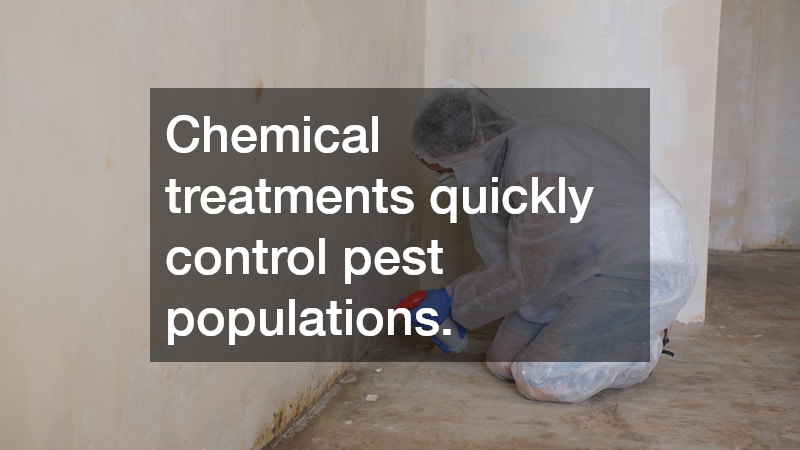
Chemical treatments quickly control pest populations. They must be used cautiously to prevent adverse effects. Always follow label instructions to ensure safety and effectiveness.
Natural Remedies
Natural remedies, like essential oils and beneficial insects, offer sustainable pest control alternatives. Integrating these methods can minimize environmental impact while maintaining pest control efficiency.
Integrated Pest Management
Combining strategies in Integrated Pest Management provides efficient, sustainable pest control.
Trapping Techniques
Trapping captures pests without chemicals. It informs further control measures.
Preventive Measures
Preventive measures reduce infestation risks, maintaining pest-free environments and minimizing infestations.
Preparing for Seasonal Pests
Home Sealing and Maintenance
Sealing entry points and regular maintenance deny pests access, fortifying homes against intrusion.
Regular Cleaning Routines
Effective cleaning minimizes pest attraction and contributes to pest-free living spaces.
Landscaping Adjustments
Landscaping controls outdoor pests, preventing movement indoors.
Monitoring Systems
Motion sensors and tracking apps help detect and manage pest activity.
Professional Pest Control Services
Experts provide tailored, effective pest management solutions, enhancing personal efforts.
Long-Term Effects of Neglecting Pest Control
Structural Damage
Neglect leads to structural damage from pests like termites and ants, requiring costly repairs.
Health Risks
Pests spread diseases and worsen health conditions, highlighting the need for effective management.
Economic Costs
Unchecked infestations lead to costly repairs and diminish property value. Regular control is financially prudent.
Loss of Peace of Mind
Persistent pests cause stress and disrupt home life. Proactive control restores peace of mind.
Environmental Impact
Infestations alter ecosystems, and mismanaged control harms the environment. Sustainable methods support ecological health.
Preparedness for seasonal pests involves informed, strategic interventions aligned with environmental cycles. Effective pest management preserves home integrity and health. Combining personal and professional support ensures home safety, comfort, and ecological integrity.