
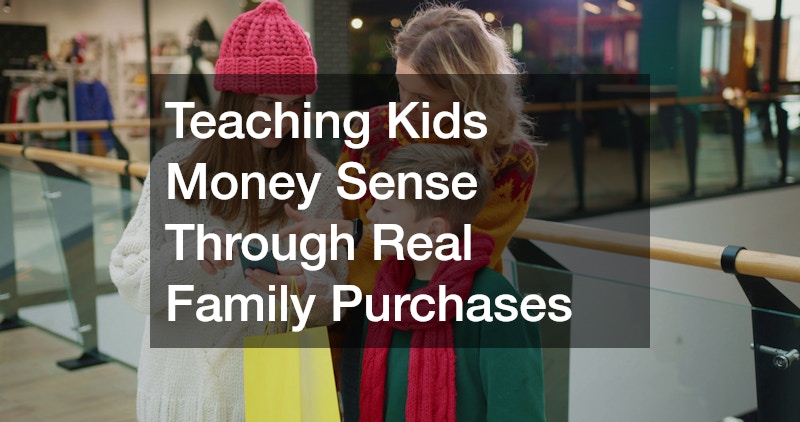
Kids learn about money not from allowance charts or piggy bank lectures, but from watching how their family actually spends it. Every receipt, every budgeting conversation, and every trip to the store is a quiet lesson in value, priorities, and trade-offs. Instead of relying on abstract worksheets, parents can turn everyday errands and purchases into hands-on money lessons that stick. This article walks through real-life spending scenarios families encounter every month and shows how each one can become a teaching moment.
Comparing Prices at the Garden Supply Store
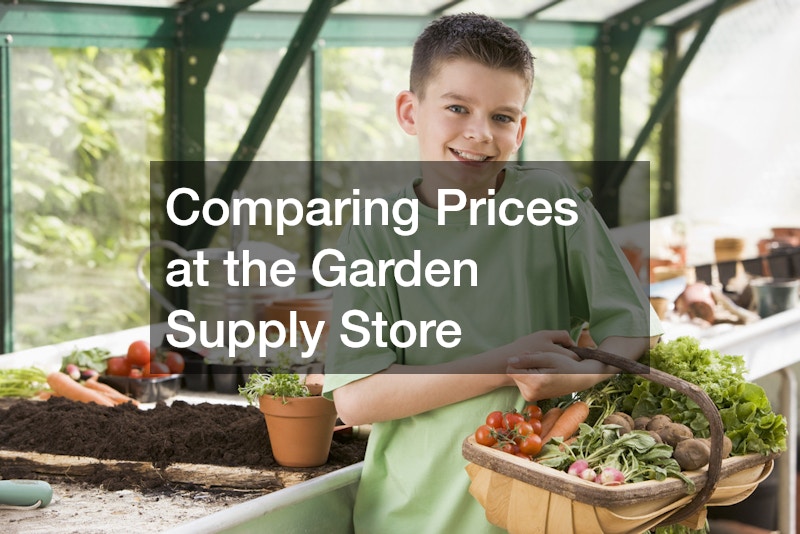
Spring planting season is a great time to bring kids along and let them see how prices vary for similar products. A trip to the garden supply store gives children a chance to compare bags of soil, seed packets, and tools side by side, noticing how brand names and bulk sizes affect the price per unit. Ask them to help calculate which option offers the better deal, turning a simple errand into a math lesson.
Let older kids grab a calculator or use their phone to figure out cost per ounce or cost per plant, then compare a generic bag of potting mix against a name-brand version. For example, a 20-pound bag priced at $8 works out to 40 cents per pound, while a 40-pound bag at $14 comes out to 35 cents per pound — a small but real savings that adds up on bigger projects. Younger children can practice simpler comparisons, like counting how many seed packets fit in a budget of $5.
It’s also worth discussing quality versus price, since the cheapest option isn’t always the smartest buy. A discount tool that breaks after one season may cost more in the long run than a sturdier, pricier alternative, and this is a good chance to introduce the idea of value over time. Encourage kids to weigh durability, brand reputation, and their own experience with a product before deciding what “the better deal” really means.
A trip to the garden supply store is also a natural setting to talk about needs versus wants. Give your child the shopping list ahead of time — potting soil, tomato seedlings, a bag of fertilizer — and let them see how those planned items differ from the extras that catch their eye near the checkout.
Kids are often drawn to decorative planters, novelty gnomes, or seed packets with cartoon characters on the label, even when a plain version costs half as much. Use these moments to ask simple questions: “Do we need this to finish our project, or do we just want it right now?” This helps them start recognizing the pull of impulse purchases rather than just reacting to it.
You can turn this into a quick game by giving them a small budget, say $5, to spend on anything extra once the list items are covered. Watching them weigh a $3 packet of flower seeds against a $4 mini watering can teaches real trade-offs in a low-stakes way. Over time, this builds the habit of pausing before a purchase and asking whether it fits the plan or the budget.
- Compare price per pound or per unit instead of total price alone — a $12 bag of soil that covers 8 sq ft may be cheaper long-term than an $8 bag covering only 4 sq ft
- Let kids hold the family budget for this specific errand, whether it’s cash in an envelope or a set number on a calculator app
- Have them subtract each item’s cost as it goes in the cart so they see the running total shrink in real time
- Discuss why quality tools sometimes cost more but last longer, using a $15 trowel that bends versus a $30 one with a lifetime warranty as an example
- Talk about seasonal sales and why prices change throughout the year, like discounted mulch in fall or marked-up seedlings in early spring
- Ask kids to predict which items might go on clearance next month and why
Understanding Home Improvement Costs Together
When families invest in outdoor upgrades, it is worth involving kids in the decision-making process rather than shielding them from the numbers. If parents are getting quotes for landscape lighting services, they can show children how contractors price out labor, materials, and design complexity differently. This helps kids understand that big purchases often involve research, comparison shopping, and patience before a final decision is made.
Similarly, when a family hires landscaping services for seasonal cleanup or a yard redesign, walking kids through the estimate process teaches them that services have value beyond just the physical materials involved. Explaining why one company charges more than another because of experience or equipment helps kids grasp that price differences often reflect real factors, not just random numbers.
- Show kids at least two competing quotes for the same project
- Explain the difference between a one-time cost and an ongoing expense
- Point out how labor costs factor into a total price
- Discuss saving up over months for a bigger home project
Budgeting for a Family Celebration
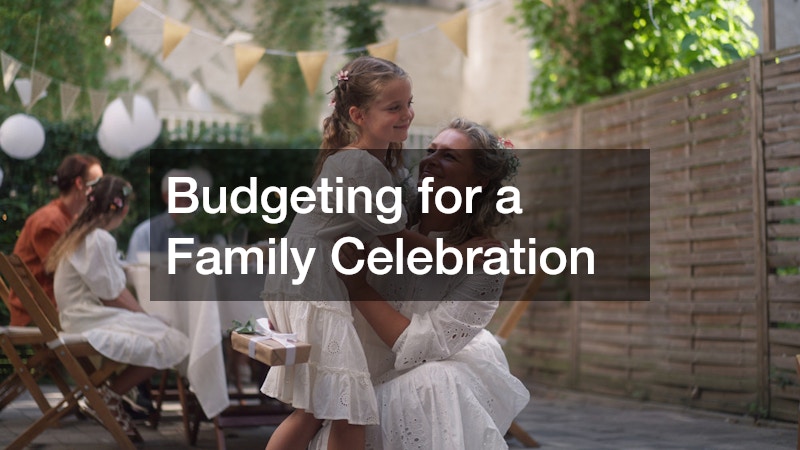
Planning a birthday party, graduation, or holiday gathering is a perfect time to show kids how event budgets work in real life. If the family is considering catering companies for a celebration, let older kids see the per-person pricing and how it changes based on menu choices or guest count. This demonstrates that even fun events require planning and financial trade-offs.
Kids can also help brainstorm ways to stretch a party budget, such as choosing a simpler menu or scaling back the guest list to afford a nicer venue. These conversations teach flexible thinking about money, showing that a fixed budget does not mean fewer choices, just different ones.
- Compare per-plate pricing between different service levels
- Discuss the cost difference between full-service catering and a potluck style meal
- Let kids help set priorities, like better food versus fancier decorations
- Talk about tipping and why it is factored into service costs
Choosing Where to Eat Out as a Family
Dining out is one of the most frequent spending decisions families make, and it doubles as an easy money lesson. When searching for the best mexican restaurants in town, involve kids in reading menus online and comparing average entree prices before choosing where to go. This teaches them to research before spending, a habit that carries into adulthood.
Special occasions might call for a nicer meal, and comparing casual dining to pricier steak restaurants shows kids how ambiance, portion size, and ingredient quality can affect cost. Explain that spending more occasionally on a special dinner is a choice, not a requirement, and that budgeting for treats is part of smart money management.
- Look at menus in advance and estimate the total bill before ordering
- Discuss the difference between everyday meals out and special occasion dining
- Talk about how tax and tip add to the final cost
- Let kids choose one meal out per month within a set budget
Learning the True Cost of Jewelry and Keepsakes
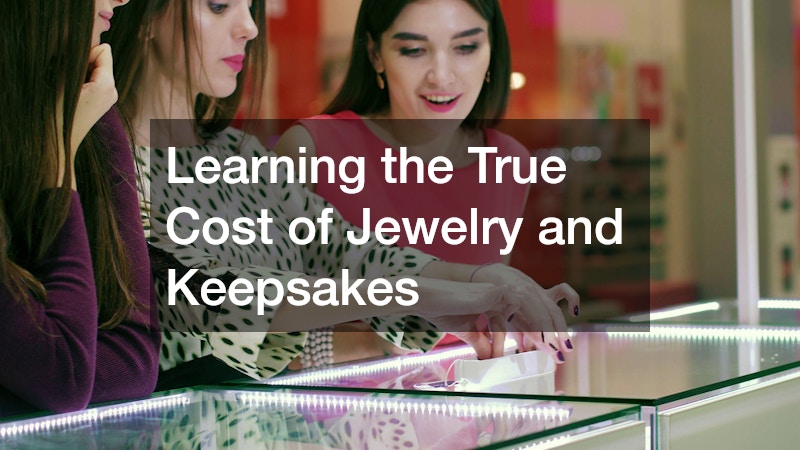
Jewelry purchases, whether for a birthday gift or a family heirloom, offer a rich lesson in value versus price. A visit to a jewelry store lets kids see how materials like gold, silver, and gemstones are priced differently, and how craftsmanship adds to the final cost. Show them how a 14-karat gold ring differs in price from an 18-karat one, or why a diamond’s cut and clarity can matter more than its size.
Ask a jeweler to explain the difference between plated, gold-filled, and solid gold pieces, since kids often assume shinier automatically means more expensive or more valuable. This is also a good time to discuss resale value: a $200 necklace bought at a mall kiosk may be worth almost nothing later, while a well-made piece can hold or even grow in value over decades.
This is a good moment to explain that some purchases are investments meant to last generations, not items to be replaced often. Talk about insurance, cleaning, and repair costs too, since these ongoing expenses are part of what you’re really paying for when you buy something meant to be treasured rather than tossed aside after a season or two.
It is equally useful to discuss what happens when families need extra cash and consider options to pawn jewelry instead of selling it outright. This real-life scenario gives kids a concrete way to see how an item’s sentimental value and its cash value can be two very different things.
Walk through a simple example: a family might pawn jewelry worth $500 to borrow $200 for a month, then pay back the loan plus interest to get the piece back. If the loan isn’t repaid, the shop keeps the jewelry and can sell it, which means the family loses the item permanently. Comparing this to selling the jewelry outright for a one-time payout helps kids grasp the trade-off between quick cash and losing an asset for good.
Explaining the difference between pawning and selling helps kids understand borrowing against an asset, interest, and the importance of reading terms carefully before agreeing to any financial arrangement. It’s worth pointing out that interest rates and loan periods vary by shop, so shopping around and asking questions matters just as much as it would with any other loan. Framing these choices as real decisions adults sometimes face makes the lesson stick far better than an abstract explanation ever could.
- Compare the cost of natural stones versus lab-created alternatives, showing kids how a lab-grown diamond can cost 60-80% less while looking nearly identical
- Explain how resale value differs from the original purchase price, since jewelry often resells for only 20-50% of what was paid due to markup and craftsmanship costs
- Discuss the risks and terms involved in pawn transactions, including interest rates, redemption deadlines, and what happens if an item isn’t reclaimed in time
- Talk about insuring valuable items in case of loss or damage, covering deductibles, appraisal requirements, and whether homeowners’ policies already offer partial coverage
- Point out how sentimental value can outweigh market value, helping kids understand why some keepsakes are “priceless” even if they’re worth little to a buyer
Finding Value Through Secondhand Shopping
Clothing purchases are frequent enough that kids notice patterns quickly, making it an ideal category for money lessons. Taking children to shop for second hand clothing shows them that quality items do not always have to be bought new, and that gently used pieces can offer significant savings. This also opens a conversation about sustainability and how reusing items reduces waste.
Kids can practice checking for quality, like intact zippers and seams, before deciding an item is worth the lower price. This skill of evaluating value rather than just looking at the price tag translates well into other spending decisions later in life.
- Show kids how to check fabric quality and stitching before buying
- Compare thrift store prices to retail prices for similar items
- Discuss donating outgrown clothes instead of throwing them away
- Talk about seasonal shopping to catch the best secondhand selection
Recognizing the Value of Personal Care Services
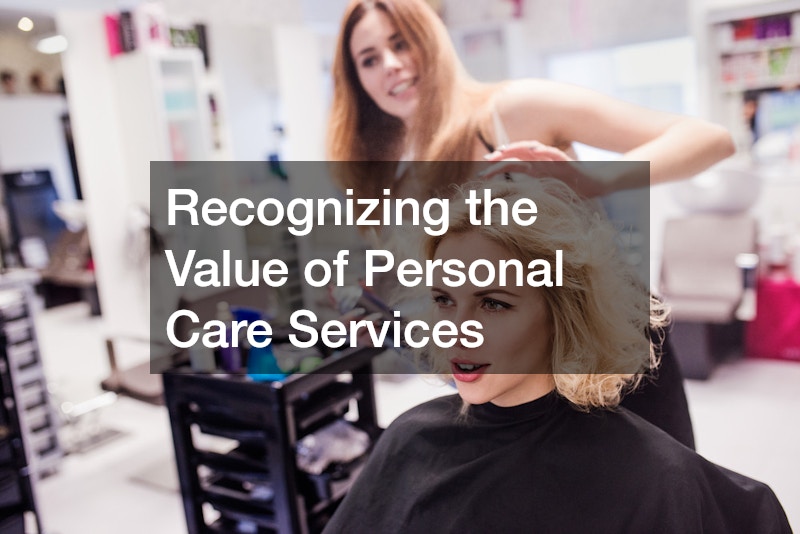
Personal care spending is another category kids observe often, even if they do not think of it as a budget item. A regular trip to beauty salons for haircuts or styling can be used to explain recurring expenses, the idea of tipping for service, and how frequency of visits affects the overall yearly cost. Kids begin to see that some expenses are necessary upkeep rather than luxury spending.
This is also a good moment to discuss the difference between paying for convenience and doing something at home to save money. Comparing the cost of a professional haircut to at-home trims, for example, helps kids understand the trade-off between time, skill, and money.
- Track how often the family visits for haircuts or personal care
- Compare the yearly cost of professional services versus at-home alternatives
- Discuss tipping norms and why they matter
- Talk about saving for occasional treats like a special occasion style or manicure
Turning Everyday Receipts Into Teaching Tools
Every receipt in the house, no matter how small, can become a quick lesson if parents take a moment to review it with their kids. Pointing out taxes, discounts, and total savings on a receipt helps children connect abstract numbers to real purchases they just watched happen. Over time, this habit builds a natural comfort with reading financial information.
Parents can also use receipts to start conversations about budgeting categories, like groceries versus entertainment versus household needs. Sorting receipts together at the end of the week gives kids a visual sense of where family money actually goes.
- Circle the tax and discount lines together to explain how they work
- Sort a week of receipts into simple categories
- Ask kids to guess the total before checking the receipt
- Use apps or a simple notebook to track spending as a family
Real purchases, from a quick trip to buy soil to planning a family celebration, offer far more effective money lessons than any classroom worksheet. By involving kids in genuine spending decisions and explaining the reasoning behind them, parents raise children who understand value, patience, and planning. Start small by including your kids in just one or two errands this week and talking openly about the choices being made. Over time, these everyday moments build the financial confidence kids will carry into adulthood.