

Bringing a new baby home is one of life’s most profound transitions. Suddenly, the space you’ve lived in for years is viewed through a completely different lens. A sharp corner isn’t just a design choice; it’s a hazard. A dusty corner isn’t just a chore postponed; it’s a potential respiratory irritant for developing lungs. As a new parent, the “mental load” grows exponentially as you realize that maintaining a home is no longer just about aesthetics—it is about creating a controlled, sterile, and secure environment where your child can thrive.
This transition can feel overwhelming. The sheer volume of maintenance tasks required to keep a modern home running safely is enough to exhaust any seasoned homeowner, let alone someone functioning on four hours of interrupted sleep. However, the secret to a successful, safe home isn’t doing everything yourself; it is building a system of professional support and routine maintenance. By focusing on deep cleanliness and structural safety, you create a sanctuary that allows you to focus on what really matters: bonding with your baby.
Optimizing Indoor Air Quality for Developing Lungs

Newborns breathe faster than adults, and their respiratory systems are incredibly sensitive to environmental pollutants. While many parents focus on buying the softest organic cotton onesies, the air the baby breathes is often overlooked. Microscopic particles of soot, dust, and allergens can settle into carpets and upholstery, or circulate through old ductwork, potentially triggering allergies or asthma early in life.
One of the most overlooked areas of air quality is the combustion system within the home. If you have a wood-burning fireplace or a wood stove, the buildup of creosote is more than just a fire hazard; it can lead to poor drafting that allows fine particulate matter to enter your living room. Scheduling professional chimney sweeping services is an essential step before your baby’s first winter. These professionals ensure that the flue is clear and that no toxic bypass is entering your home’s atmosphere.
Similarly, your HVAC system acts as the “lungs” of your house. For a nursery to remain at a consistent, safe temperature, your furnace and air conditioner must be in peak condition. Regular heating services are vital to ensure that filters are changed to the highest HEPA-rated standards and that there are no cracked heat exchangers leaking carbon monoxide. A well-maintained system doesn’t just provide comfort; it provides a filtered barrier against the outside world.
- Change filters every 30-90 days:
Depending on whether you have pets, high-quality filters are your first line of defense. - Vacuum with HEPA filters:
Standard vacuums often kick dust back into the air; use a certified HEPA model. - Monitor humidity:
Keep nursery humidity between 30% and 50% to prevent mold growth while keeping nasal passages hydrated.
Fortifying Your Home Against Fire and Electrical Hazards
As your child grows, they become tiny explorers. What starts as a stationary infant quickly becomes a crawling toddler with a relentless curiosity about every hole and wire in the house. Electrical safety is a primary concern that requires more than just the plastic “plugs” you find at the grocery store. Modern safety standards have evolved, and your home’s infrastructure should reflect that.
Older homes may have outdated wiring that wasn’t designed for the load of modern appliances plus the myriad new baby gadgets, from high-tech monitors to wipe warmers. Engaging a professional electrical service to conduct a whole-home safety audit can reveal hidden dangers like ungrounded outlets or aging breaker panels. They can also install Tamper Resistant (TR) receptacles, which have a permanent shutter mechanism that only opens when equal pressure is applied to both slots—meaning a child can’t poke a paperclip into a single slot.
Beyond the outlets, your early warning systems must be foolproof. Fire is a terrifying prospect for any family, but with a newborn, your evacuation time is significantly hindered. Comprehensive fire alarm services can provide an integrated system where, if a sensor triggers in the basement, the alarm in the nursery sounds immediately. This interconnectedness is a lifesaver in large or multi-story homes where a localized smoke detector might not be heard through closed doors.
- Test alarms monthly:
Use the “test” button on every unit to ensure batteries and sensors are active. - Check cord placement:
Ensure no heavy furniture is pinching electrical cords, which can lead to fraying and shorts. - Install carbon monoxide detectors:
Place these near every sleeping area and near the garage or gas-burning appliances.
Establishing Sanitary Surfaces in the Heart of the Home
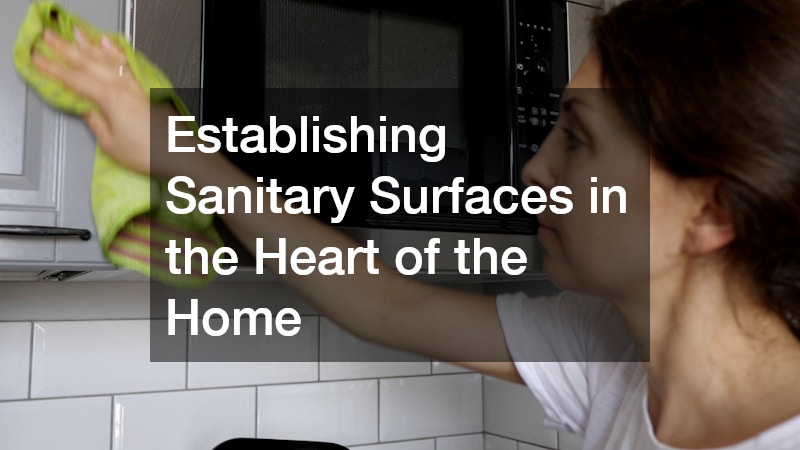
The kitchen is often the busiest room in the house, and for a new parent, it becomes a 24-hour laboratory for bottle sterilization and meal prep. Maintaining a sterile environment here is difficult because the kitchen is also a high-traffic zone for guests and pets. The materials you choose for your surfaces play a massive role in how easily you can keep the home “baby-safe.”
Many modern kitchens feature stone surfaces that, while beautiful, require specific care to remain hygienic. If you have granite counters, it is crucial to remember that natural stone is porous. Without a proper seal, liquids like raw chicken juice or spoiled milk can seep into the stone, creating a breeding ground for bacteria that a simple wipe-down won’t reach. Keeping these surfaces professionally sealed ensures that they remain non-porous and easy to sanitize with baby-safe cleaners.
However, the reality of new parenthood is that time for deep cleaning often disappears. When the dishes are piling up, and the floors are covered in a film of mystery spills, the stress can impact your parenting. Outsourcing to a house cleaning service isn’t a luxury; it’s a strategic move for your mental health. A professional team can handle the heavy lifting—scrubbing baseboards, sanitizing floors where the baby will soon be crawling, and deep-cleaning bathrooms—leaving you with a safe, disinfected environment without the physical exhaustion.
- Color-coded cloths:
Use specific microfiber cloths for the kitchen and others for the bathroom to prevent cross-contamination. - Sanitize the sink:
The kitchen sink often harbors more bacteria than a toilet seat; scrub it daily with a food-safe disinfectant. - High-heat cycles:
Use the “sanitize” setting on your dishwasher for all bottles and pump parts.
Maximizing Space and Optimizing Sleep Environments

Clutter is more than just an eyesore; it’s a safety hazard. When you are walking through the house at 3:00 AM with a crying infant, the last thing you need is to trip over a box of seasonal decorations or extra furniture. A clear path is essential for safety, and creating a minimalist environment helps reduce the “visual noise” that can increase parental anxiety.
To achieve this, many families find that they need to temporarily offload non-essential items. Utilizing a storage unit can be a game-changer during the first two years of a child’s life. By moving out bulky exercise equipment, extra guest beds, or collectible items, you create a “yes space”—an area where the baby can roam freely without bumping into dangerous or fragile objects. This physical clearing of the home often leads to a mental clearing for the parents as well.
The most important “piece of equipment” in the home, however, is where the family sleeps. Sleep deprivation is the greatest challenge of new parenthood, and the quality of that sleep matters immensely. When shopping for the nursery, you need a firm, breathable mattress that meets the latest safety regulations to prevent SIDS. But don’t forget the parents; visiting a high-quality mattress store to upgrade your own bed can improve the few hours of sleep you do get, helping you stay alert and safe during the day.
- The “One-In, One-Out” Rule:
For every new baby toy that enters the house, find one item to donate or store. - Firmness is Key:
Ensure the crib mattress fits the frame perfectly with no gaps larger than two fingers. - Path Lighting:
Use motion-sensor nightlights to illuminate the path between your bed and the nursery.
Managing the External Environment and Water Safety
The safety of your home doesn’t stop at the front door. As your child begins to explore the backyard, the exterior of your property needs the same level of scrutiny as the interior. This is especially true regarding biological hazards and water safety, which are two of the most significant risks for young children.
Pests are more than just a nuisance; they are carriers of allergens and pathogens. Roaches, for instance, are a known trigger for childhood asthma, while rodents can leave behind droppings that contaminate play areas. Engaging professional pest management services provides a proactive barrier. Professionals can identify entry points and use child-safe, integrated pest management techniques that eliminate the need for the heavy, broadcast chemical sprays that parents rightfully fear.
If your property includes a pool, your safety responsibilities increase tenfold. Drowning is a leading cause of accidental death for toddlers, and a “set it and forget it” attitude toward pool maintenance is dangerous. You should partner with a local pool company to ensure your safety covers are rated for weight, your fences are self-closing and self-latching, and your water chemistry is balanced. Improperly balanced chemicals can lead to skin rashes or respiratory issues for sensitive infants, making professional oversight a necessity.
- Four-sided fencing:
A pool should be fenced off from the house, not just the yard. - Remove standing water:
Check gutters and flowerpots to prevent mosquitoes from breeding near play areas. - Sun Safety:
Ensure outdoor play areas are shaded between the hours of 10:00 AM and 4:00 PM.
Creating a Sustainable Maintenance Routine
To truly master the art of the “Home Health Folder,” one must look at home maintenance through the lens of a project manager. When you are a new parent, your cognitive bandwidth is heavily taxed by feeding schedules, developmental milestones, and sleep training. Expecting yourself to also remember when the sediment needs to be flushed from the water heater or when the dryer vent needs a lint clear-out is unrealistic. A sustainable routine is one that exists outside of your own memory.
By digitizing or physically filing your maintenance needs, you transition from a “reactive” homeowner—someone who only calls a professional when there is a leak or a spark—to a “proactive” one. This shift is vital because reactive maintenance is almost always more expensive and more stressful. For example, a minor leak caught during a routine inspection is a quick fix; a burst pipe in the middle of the night while you’re trying to soothe a teething baby is a catastrophe.
Building the “Home Health Folder”

Your folder should be the central nervous system of your household. Whether you use a physical binder or a shared cloud drive with your partner, it should contain:
- The Service Pro Rolodex:
A vetted list of the technicians you trust. This prevents “emergency Googling” at 2:00 AM. - The Appliance Ledger:
Keep track of model numbers and manual links for your fridge, dishwasher, and HVAC unit. - The Warranty Log:
Save receipts and registration dates so you never pay out-of-pocket for a repair that should be covered.
By treating your home maintenance like a professional operation, you give yourself permission to outsource the heavy lifting. This isn’t just about convenience; it’s about liability and precision. A professional can spot the early signs of frayed wiring or a slow-growing mold colony that an exhausted parent might overlook. When you delegate these technical burdens, you aren’t just buying a service; you are buying time—time that is much better spent playing on the floor with your child than crawling through an attic with a flashlight.
Ultimately, a sustainable routine is about creating a “set it and forget it” environment. When the systems of your home are running smoothly in the background, the foreground of your life—your family—can take center stage.
Creating a home that is both ultra-clean and exceptionally safe is an ongoing journey, not a destination. As your child grows, their needs will change, and your home will need to evolve with them. The transition from a “couples’ home” to a “family sanctuary” requires a shift in perspective—moving away from doing it all yourself and toward a model of expert maintenance and strategic organization.
When you invest in the structural integrity and cleanliness of your environment, you are doing more than just protecting your property value; you are protecting your family’s health and your own peace of mind. A home that is free of hidden hazards and overwhelming messes allows you to be the parent you want to be: present, calm, and ready to enjoy every milestone. Take it one step at a time, use the experts available to you, and remember that a safe home is the greatest gift you can give your new arrival.