
Maintaining a home that is both beautiful and functional requires more than simply selecting stylish décor or completing cosmetic upgrades. True home comfort arises when aesthetic improvements are thoughtfully combined with smart maintenance choices, ensuring that beauty and functionality work together seamlessly. By addressing structural, mechanical, and design considerations simultaneously, homeowners can prevent costly repairs, improve energy efficiency, and maintain a consistent level of comfort throughout the year.
Integrating home décor updates with routine upkeep also helps avoid the frustration of having to undo or redo projects because of overlooked maintenance needs. When furniture, cabinetry, or wall finishes are installed in a home with unresolved plumbing issues, water damage, or inefficient heating and cooling systems, the visual improvements can quickly be overshadowed by underlying problems. Planning projects holistically ensures that every investment—from paint and fixtures to flooring and cabinetry—delivers long-term value.
In this article, we will provide actionable guidance on how to plan your home upgrades while simultaneously attending to essential maintenance. You’ll gain insight into ways to improve storage, protect structural elements, prevent pests, and optimize critical systems, all while keeping your home stylish and functional. By following these strategies, you can create a living space that remains both beautiful and resilient for years to come.
1. Start With a Comprehensive Home Assessment
The first step in creating a well-maintained and aesthetically pleasing home is to conduct a comprehensive assessment of your existing conditions. Walk through each room with a critical eye, noting not only design opportunities but also any functional problems that could affect long-term comfort. Pay attention to cabinetry, countertops, and plumbing fixtures, checking for signs of wear, water damage, or outdated finishes that might conflict with new décor. This assessment allows you to prioritize repairs alongside upgrades, ensuring that the final outcome is both stylish and practical.
Bullet Points:
- Check cabinets for warping, scratches, or peeling finishes.
- Inspect sinks, pipes, and fixtures for leaks, corrosion, or uneven water pressure.
- Note areas where both design and function could be enhanced.
Documenting your findings helps you create a clear roadmap for the home improvement process. This ensures that investments in décor do not inadvertently mask underlying maintenance issues. By planning with a holistic perspective, you can make improvements that harmonize visually and structurally. Working with custom cabinetry services at this stage ensures your storage solutions not only look great but also accommodate plumbing requirements and long-term use.
2. Prioritize Structural and Exterior Updates
Before focusing solely on interior décor, it’s crucial to address the home’s structural and exterior elements. A compromised roof or damaged siding can lead to water intrusion, energy inefficiency, and even mold growth, undermining interior upgrades. Carefully inspect the roof for missing shingles, damaged flashing, or leaks, and examine siding for cracks, warping, or water damage. Scheduling repairs or replacements with qualified roofing contractors and siding contractors ensures your investments in design and decoration are protected for the long term.
Bullet Points:
- Look for missing shingles or cracked flashing that could allow water entry.
- Check siding for warping, peeling paint, or signs of insect damage.
- Coordinate exterior updates with interior color schemes and architectural style.
Prioritizing these high-impact structural updates safeguards both the aesthetics and functionality of your home. When structural concerns are addressed first, you prevent damage to freshly painted walls, furniture, and flooring. Collaborating with experienced contractors also ensures that exterior upgrades match your overall design vision while maintaining the home’s energy efficiency and weather resistance. A solid exterior foundation is essential for a home that remains both beautiful and durable over time.
3. Upgrade Storage Solutions Thoughtfully
Effective storage solutions are key to a comfortable and visually appealing home. Custom cabinetry can transform spaces by reducing clutter and integrating seamlessly with your décor theme. Consider built-ins or modular designs that maximize available space while maintaining accessibility to plumbing and septic systems. Ensuring that cabinetry does not block access to septic tank components is essential to prevent future maintenance challenges when working with septic tank installers. Thoughtful storage design allows your home to feel organized, spacious, and cohesive.
Bullet Points:
- Choose cabinetry with finishes and colors that complement your overall décor.
- Use modular units that can adapt to changing storage needs.
- Maintain clear access to plumbing and septic components.
Professionals who specialize in custom cabinetry services can tailor solutions that are both functional and stylish. Well-designed storage reduces the appearance of clutter while enhancing workflow in kitchens, bathrooms, and utility areas. Combining these upgrades with proactive septic system planning ensures that your home remains functional without compromising style. Proper storage design also protects decorative elements from daily wear and tear, extending the longevity of both furniture and finishes.
4. Prevent Water Damage Proactively
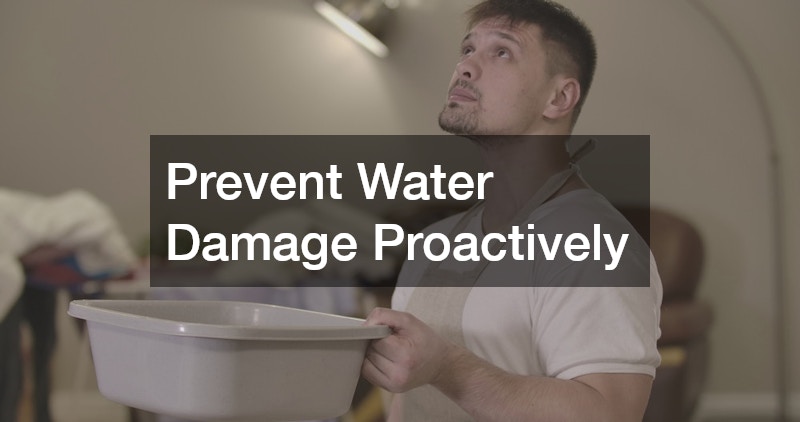
Water damage is one of the most common threats to home aesthetics and structural integrity. Proactively inspecting water heaters, pipes, and fixtures is essential to prevent leaks that could damage flooring, walls, or furniture. Schedule annual maintenance for water heaters, check for dripping faucets, and monitor moisture-prone areas such as under sinks, behind appliances, and around tubs. Early detection and repair help avoid costly repairs and protect newly installed décor.
Bullet Points:
- Schedule yearly water heater services to avoid sudden failures.
- Repair small leaks promptly to prevent long-term damage.
- Inspect areas under sinks, around tubs, and near appliances for moisture buildup.
Addressing plumbing concerns during design or renovation projects also prevents surprises after aesthetic upgrades are complete. Coordinating plumbing repairs with water heater services ensures that your home’s water systems operate efficiently. Taking preventive steps reduces the likelihood of mold growth, staining, or warping of flooring and cabinetry. By combining water management with décor planning, homeowners can enjoy both beauty and functionality without risk of costly interruptions.
5. Improve Indoor Air Quality and Comfort
Air quality and proper ventilation directly impact comfort, health, and the longevity of décor. Clean air ducts allow HVAC systems to operate efficiently while reducing dust, allergens, and odors. Regular inspections by an air duct company ensure that airflow is optimized throughout your home. At the same time, integrating pest control measures in ventilation systems prevents contamination by insects or rodents, preserving both comfort and cleanliness.
Bullet Points:
- Schedule regular duct cleaning and inspections.
- Replace or clean HVAC filters periodically.
- Include pest prevention measures in air handling systems.
Ensuring optimal airflow also helps maintain consistent indoor temperatures, reducing strain on heating and cooling systems. By aligning air quality improvements with décor projects, you prevent interference with furniture placement or wall finishes. Properly maintained ventilation enhances energy efficiency, reduces the accumulation of dust on decorative surfaces, and maintains a comfortable living environment. Coordinating these services during home upgrades ensures that functional systems support aesthetic goals.
6. Implement Pest Prevention Measures
Protecting your home from pests is essential to preserve both structural elements and visual appeal. Preventive measures, such as sealing cracks and scheduling inspections, prevent infestations from compromising furniture, walls, flooring, and insulation. Partnering with a reliable pest control company can identify risk areas and implement treatments that are safe for your décor. Proactive pest management is far more effective than addressing issues after damage has occurred.
Bullet Points:
- Schedule regular inspections for termites, rodents, and insects.
- Seal gaps, cracks, and other potential entry points.
- Apply treatments safely in high-risk areas without affecting décor.
Integrating pest control into home improvement plans ensures that your aesthetic investments remain protected. Damage from pests can be subtle but devastating, affecting structural integrity, wiring, and woodwork. By staying ahead with inspections and preventive services, you safeguard your décor from hidden threats. Combining pest control services with routine home maintenance preserves both comfort and style for the long term.
7. Enhance Entrances and Outdoor Features
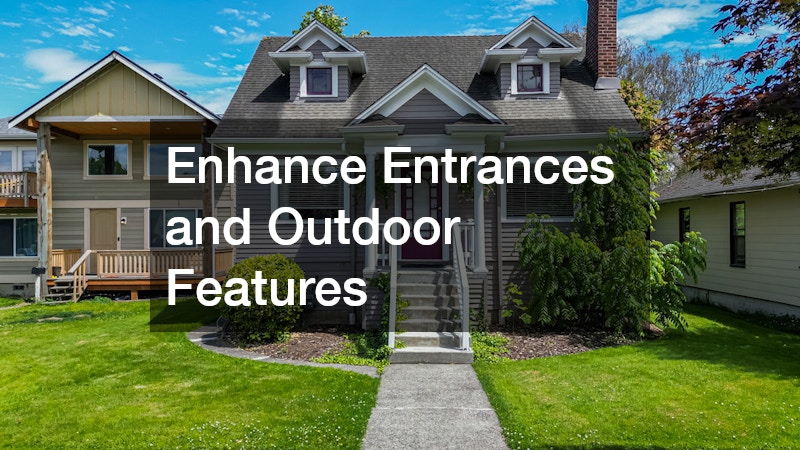
The exterior of your home sets the tone for both curb appeal and long-term functionality. Upgrading garage doors, entryways, and siding improves security, energy efficiency, and visual appeal. Inspect and repair damaged doors and siding, ensuring that replacements match the overall style of your home. Working with garage door contractors and siding contractors guarantees that practical upgrades also enhance aesthetics.
Bullet Points:
- Repair or replace damaged garage doors with modern designs.
- Have siding contractors inspect exterior siding and address minor cracks or warping.
- Ensure entrances are secure, functional, and visually appealing.
Well-maintained exterior elements also prevent interior problems such as drafts, moisture intrusion, or pest access. Coordinating upgrades with professional contractors ensures that exterior improvements complement your overall décor vision. Attention to entry points and outdoor features supports long-term comfort and energy efficiency. Thoughtful planning here also preserves the value of interior design investments.
8. Address Small Repairs Before They Escalate
Minor repairs, such as adjusting cabinet doors or fixing door gaps, are easy to overlook but can impact both function and appearance. Scheduling regular handyman services allows you to address these small issues before they become costly or disruptive. Tracking repairs creates a proactive maintenance routine that keeps your home in optimal condition.
Bullet Points:
- Tighten loose hardware, adjust cabinet doors, and lubricate drawers.
- Fix minor wall damage, door gaps, and flooring blemishes.
- Schedule regular maintenance checks to prevent cumulative problems.
Prompt attention to minor repairs protects decorative finishes and maintains smooth functionality in everyday use. Addressing small issues also prevents them from escalating into major renovations that disrupt your home’s comfort and style. Coordinating these tasks with décor updates ensures that functional and aesthetic improvements are aligned. Homeowners can maintain both visual appeal and practical performance by staying ahead of minor issues.
9. Plan Seasonal and System Maintenance
Seasonal maintenance is critical to ensure comfort, safety, and energy efficiency throughout the year. Aligning water heater servicing, duct inspections, and other system checks with seasonal changes prevents emergencies and preserves décor investments. Planning ahead allows you to schedule professional services during less disruptive times while keeping your home in top condition.
Bullet Points:
- Service water heaters before peak winter or summer usage.
- Inspect and clean ductwork seasonally.
- Maintain exterior surfaces to prevent weather-related damage.
Coordinating seasonal maintenance with aesthetic updates minimizes disruption to your living spaces. Regular upkeep improves energy efficiency, reduces the risk of damage to furniture or flooring, and keeps indoor environments comfortable. A proactive seasonal schedule also allows you to address smaller issues before they escalate. By planning systematically, homeowners can preserve both functionality and design throughout the year.
10. Establish Long-Term Home Maintenance Strategies
Long-term planning ensures your home remains both stylish and structurally sound. Scheduling major inspections, such as septic system checks and roof assessments, prevents unexpected failures that could compromise décor and comfort. Incorporating these plans with décor upgrades minimizes rework and ensures a coordinated approach to home improvement.
Bullet Points:
- Schedule regular septic inspections to avoid backups.
- Inspect roofs after storms or heavy seasonal wear.
- Document all upgrades and inspections for future reference.
A structured long-term maintenance strategy protects investments in both aesthetics and infrastructure. Establishing recurring inspections and repairs ensures that the home remains comfortable, safe, and visually appealing. By combining strategic upkeep with home décor planning, homeowners can enjoy a functional and beautiful living environment for years to come. This approach creates a balance between immediate visual improvements and the long-term durability of the home.
Consistent home maintenance paired with thoughtful décor upgrades creates a living environment that is both comfortable and visually appealing, blending style and functionality seamlessly. By addressing maintenance needs proactively, homeowners can prevent minor issues from escalating into costly repairs that disrupt their daily routines and compromise the longevity of their investments. This proactive approach not only protects furniture, finishes, and structural components but also provides peace of mind, knowing that the home’s systems—from plumbing and HVAC to roofing and air ducts—are functioning properly.
Combining aesthetic improvements with practical care ensures that every corner of your home remains safe, energy-efficient, and visually cohesive. A structured routine allows you to anticipate seasonal challenges, track minor repairs before they accumulate, and schedule professional inspections or upgrades at the most effective times. This integrated approach reduces stress and frees up time and resources that would otherwise be spent on emergency fixes or unplanned renovations.
Ultimately, investing in a coordinated maintenance and décor plan delivers long-term benefits that go beyond aesthetics. Homes that are cared for in this way tend to retain higher value, improve energy efficiency, and provide a more enjoyable living experience for all occupants. By embracing a proactive and organized approach, homeowners can cultivate a home that is not only beautiful but also functional, durable, and welcoming for years to come.